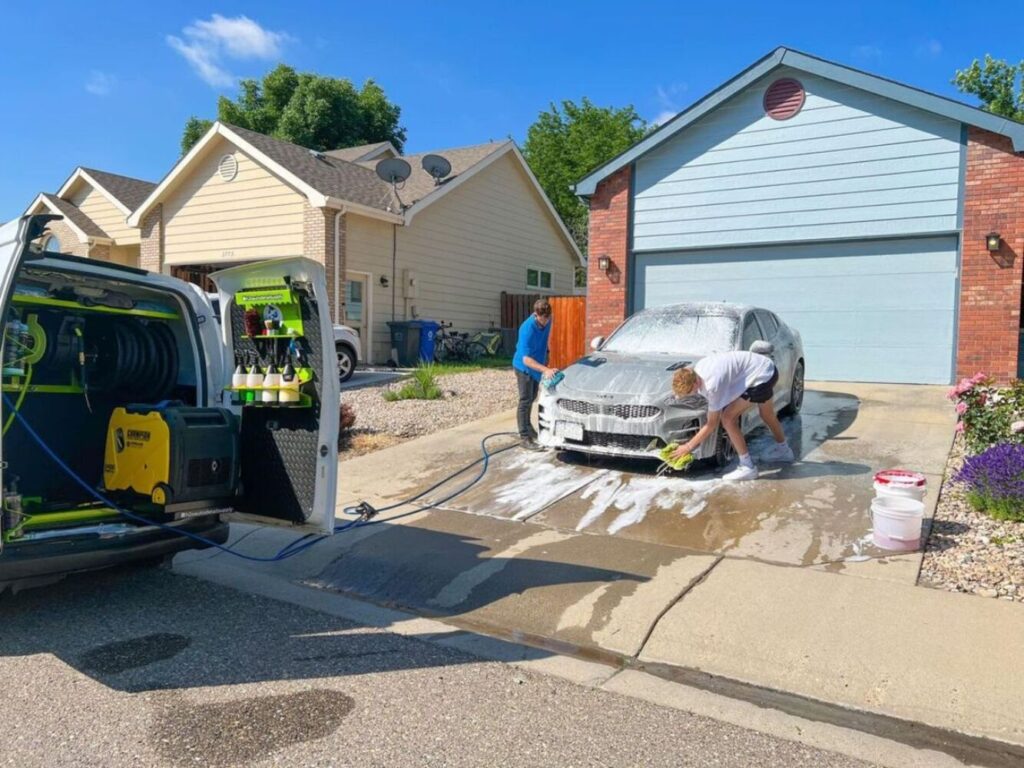



Frequent exposure to hard water can leave mineral deposits on ceramic-coated paint, causing water spots, reduced gloss, and a rougher surface if the deposits are left in place. A ceramic coating can make the surface easier to clean and more resistant to contamination, but it does not make the vehicle immune to mineral buildup.
Why Does Hard Water Affect Ceramic-Coated Paint?
Hard water contains dissolved minerals, commonly including calcium and magnesium. When water evaporates from a vehicle’s surface, those minerals can remain behind as deposits.
A single water spot may be relatively easy to remove. Repeated exposure, however, can allow mineral deposits to accumulate, making them increasingly difficult to clean.
This is especially relevant when a vehicle is frequently exposed to:
- Sprinklers
- Poorly filtered water
- Outdoor washing
- Rainwater containing dissolved minerals
- Water left to dry on the paint
- Repeated washing without proper drying
A ceramic coating creates a protective surface layer, but contaminants can still accumulate on top of that layer.
Can Hard Water Damage A Ceramic Coating?
Hard water does not automatically damage a coating after every exposure. The greater concern is prolonged or repeated mineral contamination.
When mineral deposits remain on the surface, they can interfere with the coating’s appearance and water behavior. Severe or neglected deposits may also become chemically bonded or etched into the surface, depending on the contaminant and exposure conditions.
This means a coated vehicle still requires appropriate maintenance.
AutoGlow Detailing’s ceramic coating process includes hand washing and decontamination before application, paint correction when needed, professional-grade coating application, and final inspection. Its aftercare guidance also recommends pH-neutral, coating-safe shampoos.
What Happens When Hard Water Dries On A Coated Vehicle?
The basic process is straightforward:
- Water reaches the vehicle’s surface.
- The water begins to evaporate.
- Dissolved minerals remain behind.
- Mineral residue forms visible spots or deposits.
- Repeated exposure can increase the amount of buildup.
- Neglected deposits can become more difficult to remove.
Ceramic coatings can cause water to behave differently on the surface, often causing it to bead or sheet. However, water behavior does not mean minerals disappear.
For vehicle owners researching ceramic coating in Loveland, CO, understanding this distinction is important. A coating can simplify maintenance, but regular washing and drying remain necessary.
Are Water Spots More Noticeable On Ceramic Coatings?
They can be.
Dark-colored vehicles often make mineral deposits easier to see because the contrast between the paint and the residue is greater. However, water spots can occur on vehicles of virtually any color.
The condition of the coating also matters. A properly maintained surface may continue to provide strong water behavior, while contamination can interfere with how water moves across the paint.
Does Ceramic Coating Prevent Water Spots?
No.
This is one of the most important misconceptions about ceramic coatings.
A ceramic coating can impart hydrophobic properties and make contamination easier to remove, but it does not prevent all mineral deposits from forming.
Water still contains minerals. If that water remains on the vehicle and evaporates, the minerals can remain on the coating.
The coating therefore works best as part of a complete maintenance system rather than as a replacement for regular vehicle care.
What Factors Make Hard Water Problems Worse?
Several conditions can increase the likelihood of visible mineral buildup.
Frequent Water Exposure
The more often mineral-containing water reaches the vehicle, the more opportunities there are for deposits to accumulate.
Allowing Water To Dry Naturally
Water that remains on the vehicle until it evaporates can leave minerals behind.
Direct Sunlight
Heat can accelerate evaporation, allowing dissolved minerals to remain concentrated on the surface.
Delayed Washing
The longer deposits remain, the more difficult they may become to remove.
Poor Washing Technique
Aggressive washing can introduce additional surface marring, while unsuitable cleaning products may interfere with proper coating maintenance.
How Should You Maintain Ceramic-Coated Paint After Hard Water Exposure?
The best approach is to prevent mineral deposits from remaining on the surface for extended periods.
1. Rinse Regularly
If the vehicle has been exposed to sprinklers, rain, or other mineral-containing water, rinsing can help remove loose contaminants before they dry.
2. Use A Coating-Safe Shampoo
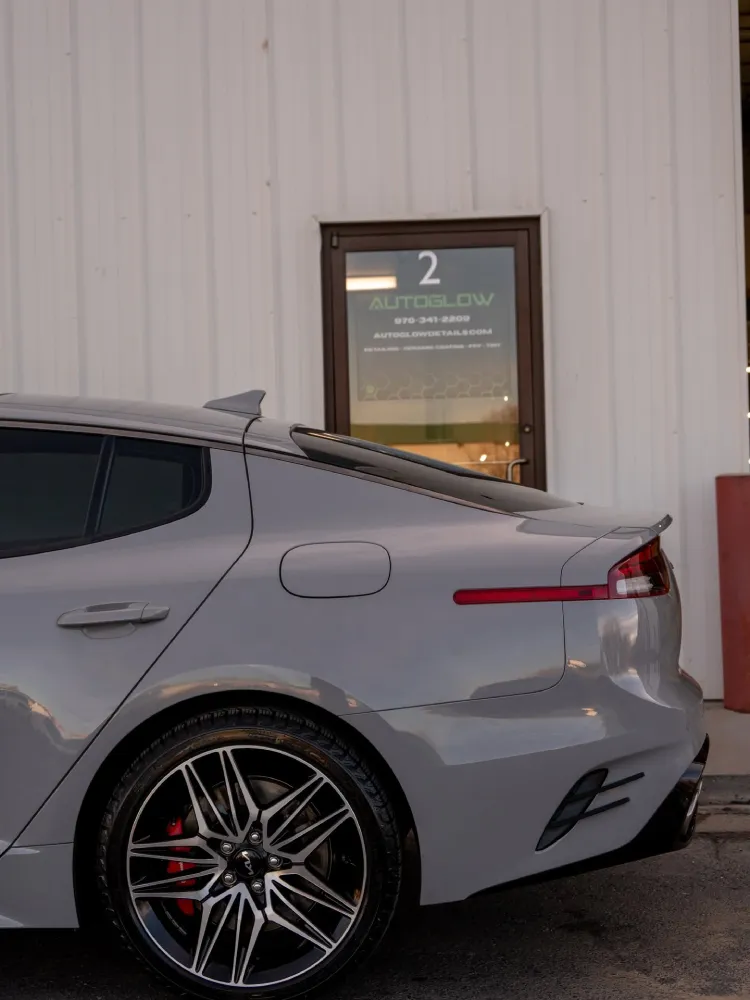
A pH-neutral, coating-safe shampoo is generally preferable for routine maintenance. AutoGlow specifically recommends pH-neutral, coating-safe shampoos as part of its ceramic coating aftercare guidance.
3. Dry The Vehicle Properly
Avoid routinely leaving large amounts of water on the paint to evaporate. Appropriate drying methods can reduce the amount of mineral residue left behind.
4. Address Water Spots Early
Fresh mineral deposits are generally easier to address than buildup that has remained on the surface for an extended period.
5. Inspect The Finish Regularly
Look for changes in gloss, water behavior, and surface smoothness. These can indicate that contamination is accumulating.
Can You Remove Hard Water Spots From Ceramic-Coated Paint?
The appropriate removal method depends on the severity of the deposits.
Fresh mineral residue may respond to an appropriate maintenance wash or dedicated water-spot treatment. More stubborn deposits may require professional decontamination.
If the mineral contamination has caused etching or affected the coating itself, more extensive correction may be necessary.
The important point is to avoid aggressively polishing or chemically treating the surface without knowing what type of coating and contamination are present.
AutoGlow’s published process for ceramic coating in Loveland includes paint correction when needed before coating application, demonstrating the importance of evaluating the paint surface rather than using the same process for every vehicle.
Hard Water Deposits vs. Coating Failure
These problems should not automatically be treated as the same thing.
| Condition | Possible Cause | Appropriate Response |
| Light water spots | Mineral residue | Proper washing or spot treatment |
| Rough surface | Surface contamination | Decontamination |
| Reduced water behavior | Contamination or coating condition | Inspection and maintenance |
| Persistent etched spots | Prolonged mineral exposure | Professional evaluation |
| Widespread coating deterioration | Age, chemicals, or improper maintenance | Coating assessment |
A professional inspection can help distinguish contamination from actual coating deterioration.
A Common Myth: Ceramic Coating Makes Maintenance Unnecessary
Myth: Once a ceramic coating is installed, the vehicle no longer needs regular washing or maintenance.
Reality: Ceramic coatings are designed to provide durable surface protection and can make maintenance easier, but contaminants can still accumulate.
Routine maintenance remains important for preserving the coating’s appearance and performance.
This is particularly relevant in climates where vehicles are frequently exposed to rain, irrigation water, and outdoor contaminants.
What Should You Do If Your Coated Vehicle Has Frequent Hard Water Exposure?
Use a proactive maintenance routine.
If exposure is occasional: Wash and dry the vehicle properly after significant water exposure.
If exposure is frequent: Inspect the paint more regularly and avoid allowing water to repeatedly dry on the surface.
If water spots persist: Have the vehicle professionally evaluated before attempting aggressive removal.
If the surface feels rough: Consider professional decontamination rather than assuming the coating has failed.
For drivers considering Loveland, CO ceramic coating, proper maintenance is essential for preserving the coating’s performance and appearance over time.
Final Takeaway
Frequent exposure to hard water can leave mineral deposits on coated paint, so regular washing, proper drying, and coating-safe products are essential. A ceramic coating helps protect the finish but does not replace routine maintenance.
AutoGlow Detailing emphasizes proper preparation, professional application, inspection, and coating-safe care.
Contact us today to learn how to protect your vehicle’s finish and maintain its appearance.
People Also Ask
Can hard water leave spots on ceramic coating?
Yes. Mineral deposits can remain on top of a ceramic coating when hard water evaporates from the surface.
Does ceramic coating stop water spots?
No. A ceramic coating can improve water behavior and make maintenance easier, but it cannot completely prevent mineral deposits.
How do you remove hard water spots from ceramic coating?
The method depends on the severity of the deposits. Fresh residue may require appropriate washing or spot treatment, while stubborn or etched deposits may require professional evaluation.
Should I dry my car after washing if it has ceramic coating?
Yes. Proper drying can reduce the amount of water left behind to evaporate and deposit minerals on the surface.
Can hard water permanently damage ceramic coating?
Prolonged mineral exposure can contribute to stubborn deposits and potentially etching, depending on the contaminant and conditions. Professional evaluation is recommended when spots persist.