


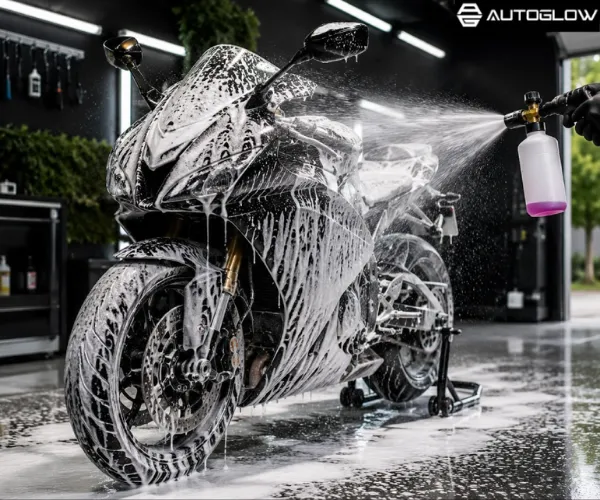

Professional motorcycle detailing is worth the cost over DIY cleaning when your primary goal is preserving maximum resale value. While routine home washes remove surface dirt, professional detailing prevents clear-coat degradation, oxidation, and staining on exposed mechanical components that lower buyer offers. Multi-step decontamination, precision paint correction, and durable protective barriers safeguard your bike’s finish far beyond what retail products can achieve.
When buyers evaluate a pre-owned motorcycle, visual condition immediately signals mechanical care. Unlike passenger cars, motorcycles put nearly every component on full display: scratched fuel tanks, swirled fairings, pitted aluminum forks, and dull exhaust headers suggest neglect even when maintenance is up to date. Understanding the difference between basic driveway washes and structured surface protection helps you protect your investment.
Why Motorcycles Require Specialized Surface Care
Maintaining a motorcycle demands a different approach than washing a standard car or truck. Every square inch of a bike combines delicate, high-visibility finishes with complex mechanical geometry and extreme heat cycles.
- Exposed Mechanical Architecture: Radiators, engine fins, braided brake lines, wiring harnesses, and suspension linkages sit inches away from painted bodywork. Improper water pressure or harsh household degreasers can force moisture into electrical connectors or strip protective anodizing from aluminum parts.
- Extreme Thermal Cycling: Exhaust headers, engine cases, and brake calipers reach high temperatures on every ride. Road tar, bug acids, and magnesium chloride from winter road treatments bake onto hot surfaces, bonding chemically in ways standard soap cannot lift.
- Soft Clear Coats and Plastics: Motorcycle manufacturers frequently apply thinner clear coats on fuel tanks and use sensitive polycarbonate windscreens and matte-finish plastics. A single wipe with an improper towel or abrasive sponge can inflict permanent spiderwebbing and hazing.
- High-Impact Road Exposure: Without full fenders enclosing the wheels, front forks, lower fairings, and swingarms take a constant barrage of gravel, sand, and asphalt debris.
Appearance brings riders in, but protection is what makes a finish last. Treating a motorcycle with generic car-wash shortcuts creates slow, cumulative surface wear that reduces trade-in and private-party value year after year.
DIY Cleaning vs. Professional Motorcycle Detailing
Washing your own bike on a weekend is a rewarding part of ownership, and routine rinsing has its place between rides. However, comparing DIY maintenance against comprehensive professional detailing reveals clear differences in process, chemistry, and long-term preservation.
| Evaluation Factor | DIY Driveway Cleaning | Professional Motorcycle Detailing |
| Wash & Decontamination Process | Single-bucket wash removes loose dust but often drags grit across soft clear coats. | Multi-stage pH-neutral foam bath, iron fallout removal, and gentle clay decontamination. |
| Paint & Swirl Correction | Masks minor scratches temporarily with retail waxes or spray glazes. | Machine polishing with specialized micro-polishers to permanently level clear-coat defects. |
| Metal & Exhaust Restoration | Basic metal polish applied by hand; leaves oxidation in tight cooling fins. | Precision rotary and cone polishing for chrome, billet aluminum, and stainless headers. |
| Surface Protection Longevity | Carnauba wax or polymer sealants lasting 4 to 8 weeks under heat and UV exposure. | High-temperature ceramic coatings and Paint Protection Film lasting years. |
| Sensitive Component Safety | Risk of water intrusion in switchgear, bearings, and exposed electronics. | Controlled air-drying, targeted masking, and pH-balanced formulas safe for all materials. |
| Resale Value Impact | Keeps the bike presentable for casual rides, but wear and swirl marks accumulate. | Preserves a documented, showroom-grade finish that commands top market pricing. |
A recent Longmont, CO inspection of a touring bike washed weekly at home revealed heavy tank swirls and baked-on mineral etching around the engine cases. Because hard tap water had dried in direct sunlight over several seasons, the clear coat required multi-stage machine correction before we could apply protective coatings.
How Surface Condition Directly Impacts Resale Value
When you sell or trade in your motorcycle, prospective buyers and dealership appraisers inspect the finish before they ever ask for service receipts. Clean maintenance logs prove the engine runs well, but exterior condition determines what a buyer is willing to pay.
- First-Impression Valuation: Buyers equate swirl-free paint, rich black trim, and spotless aluminum with meticulous mechanical ownership. A bike showing surface neglect forces you to negotiate downward immediately to cover the buyer’s perceived reconditioning costs.
- Preventing Permanent Clear-Coat Failure: Ultraviolet rays, bug enzymes, and acidic bird droppings eat through unprotected clear coats. Once a clear coat fails or peels on a fuel tank or fairing, a basic wash cannot fix it, requiring costly repainting that raises red flags about potential crash history.
- Protecting High-Impact Areas: Front fenders, lower forks, and the leading edges of fairings take rock chips on highway commutes. Installing protective barriers early keeps original factory paint intact, which is critical for holding collector and enthusiast value.
- Eliminating Oxidation and Corrosion: Moisture trapped in tight crevices causes white oxidation on bare aluminum and rust on fasteners. Proper decontamination and hydrophobic sealants repel water and road grime, keeping hardware clean.
Our Philosophy: Trust, Process, and Long-Term Partnership
At AutoGlow Detailing, we act as your long-term vehicle protection partner, delivering mobile and in-shop care built on trust, precision, and zero sales pressure. Because a weekend canyon carver faces different wear than a daily commuter, we inspect your motorcycle inch by inch under proper lighting and tailor our recommendations to your actual riding habits.
For riders booking motorcycle detailing in Longmont, CO, this consultative approach means complete transparency and zero upselling. Whether you need a careful maintenance wash, multi-step paint correction, or high-temperature ceramic coatings for exhausts and rims, we explain the “why” behind every step from safely drying around sensitive electronics to choosing protection that preserves your showroom finish season after season.
Building a Smart Maintenance Routine Between Professional Services
Scheduling motorcycle detailing in Longmont does not mean you stop caring for your bike at home. In fact, professional protection makes your routine DIY washes faster, safer, and far more effective.
- Use the Two-Bucket Method and Grit Guards: Keep your wash mitt separate from your rinse water so abrasive road grit never goes back onto your fuel tank or fairings.
- Work in the Shade on Cool Surfaces: Never spray cold water or cleaners onto hot exhaust pipes or sun-baked paint, which causes instant water spots and thermal shock.
- Switch to Forced-Air Drying: Using a dedicated filtered air dryer pushes water out of cooling fins, switchgear, and bolts without dragging a towel across a soft clear coat.
- Stick to pH-Neutral Maintenance Soaps: Harsh dish soaps and heavy degreasers strip waxes and degrade trim. Gentle, pH-balanced formulas preserve existing ceramic coatings and sealants.
- Schedule Seasonal Inspections: Pairing safe home rinses with periodic professional decontamination ensures bonded contaminants are removed before they cause permanent etching.
Riders along the Front Range and toward Windsor regularly hit dust, bugs, and spring magnesium chloride. A durable, pro-applied protective layer keeps these contaminants from bonding to your paint and metal so they wash right off.
When Should You Schedule Professional Detailing?
Timing plays a direct role in getting the highest return on your detailing investment. While any motorcycle benefits from structured care, three milestones deliver the greatest financial and protective payoff:
- Immediately After Purchase (New or Pre-Owned): Brand-new motorcycles often arrive from dealerships with transport film residue, light wash marring, and zero real surface protection. Locking in factory-fresh paint early prevents rock chips and swirl marks before they start.
- Before Peak Riding Season: Removing winter storage dust, inspecting rubber seals, and refreshing hydrophobic coatings prepares your bike for months of sun, heat, and highway miles.
- Prior to Listing for Sale or Trade-In: A comprehensive pre-sale correction and protection service routinely returns more than its cost by accelerating the sale and justifying top-tier asking prices.
Choosing Longmont motorcycle detailing centered on a repeatable process and honest guidance ensures your bike stays protected, performs cleanly, and holds its value over time.
People Also Ask
How much does professional motorcycle detailing cost?
Professional motorcycle detailing typically ranges from $150 to $350 for a thorough decontamination wash, metal polish, and sealant application, while multi-stage paint correction and ceramic coating packages generally range from $500 to $1,200+ depending on bike size, fairing complexity, and surface condition.
How often should a motorcycle be professionally detailed?
Most riders benefit from a comprehensive professional detail once or twice a year typically at the start of riding season and before winter storage supplemented by gentle, pH-neutral maintenance washes every few weeks depending on mileage and riding conditions.
Is ceramic coating worth it on a motorcycle?
Yes, ceramic coating is effective on motorcycles because it withstands high engine and exhaust temperatures, resists bug acid etching, prevents brake dust from pitting wheels, and makes routine cleaning easier without harsh scrubbing.
Can pressure washers damage a motorcycle during DIY cleaning?
Yes, high-pressure water sprayed at close range can force moisture past wheel bearings, chain O-rings, radiator fins, and electrical switches, leading to premature corrosion or electrical faults. Low-pressure rinsing paired with controlled air drying is the safest method.
Protect Your Motorcycle’s Finish for the Long Haul
Protecting your investment starts with honest guidance and a proven process of never guesswork or one-time shortcuts. Whether you just rolled a new bike off the showroom floor or want to restore and preserve a well-ridden favorite, AutoGlow Detailing is here to build a long-term protection plan around your motorcycle and how you ride.
Based on your riding habits and the surfaces you want to safeguard, we walk you through your exact options from precision decontamination and paint correction to high-temperature ceramic coatings and high-impact protection. You get clear explanations, transparent recommendations, and meticulous in-shop or mobile care designed to maintain that showroom finish season after season.
Ready to discuss what makes the most sense for your bike? Contact us to schedule a consultative inspection and keep your motorcycle protected for years to come.