
Most drivers know they should protect their car’s paint, but few actually know what makes automotive paint different from the kind used on walls, furniture, or even boats. Beneath that glossy finish is a high-tech, multi-layered coating engineered to handle years of UV exposure, road debris, and weather extremes.
Let’s take a look at what automotive paint is made of, how it’s applied, and how you can help it last longer with the right care and protection.
The Layers That Protect Your Car
Car paint isn’t just a single coat of color- it’s a system of layers designed to bond, seal, and protect.
- E-Coat (Electrocoat): The first layer, applied directly to bare metal, uses an electrochemical process to prevent corrosion and create a uniform surface.
- Primer: Next comes a primer that smooths imperfections, improves adhesion, and adds a bit more protection from UV light and moisture.
- Basecoat: This is where the color lives. Metallic, pearlescent, or solid pigments give your car its signature look.
- Clear Coat: A glossy, transparent top layer that provides depth, shine, and defense against oxidation, fading, and small scratches.
Each layer serves a purpose- together, they form a durable barrier that keeps the metal beneath safe from the elements.
The Chemistry Behind the Shine
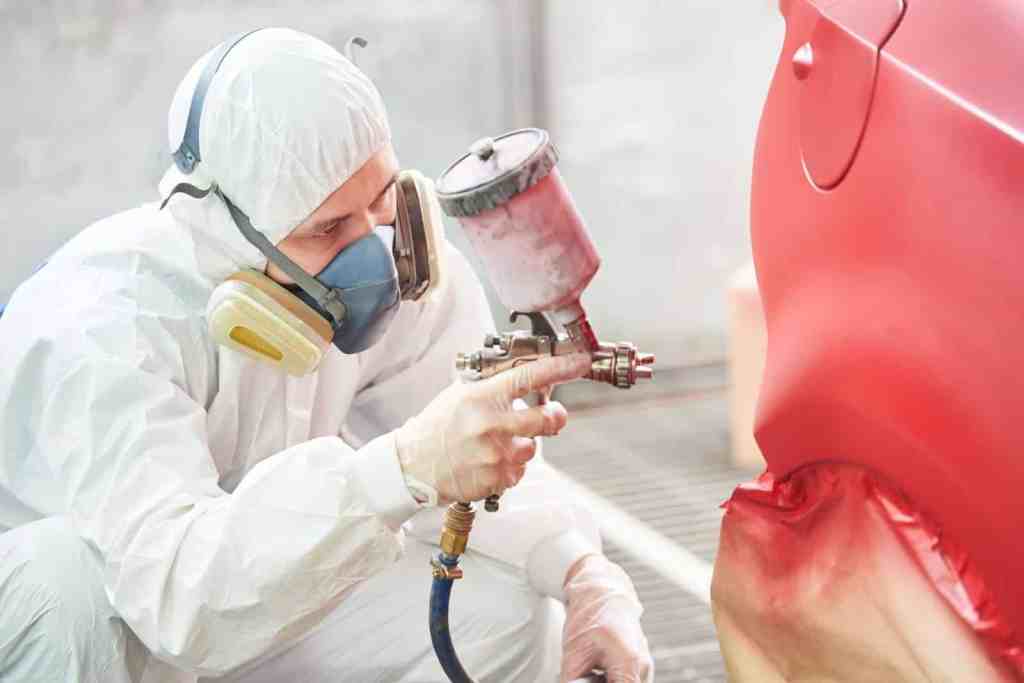
Unlike household paint, automotive coatings must survive brutal conditions: intense sun, freezing cold, salt, bird droppings, and constant friction from air and washing. To do this, most modern vehicles use urethane-based paints—a flexible, resilient material made up of crosslinked polymers. When cured, these polymers form tight molecular bonds that give car paint its durability and glossy finish.
Wall paint, by contrast, is usually water-based and designed to breathe rather than resist physical wear. Automotive paint has to stay glossy and intact even while expanding and contracting with temperature changes. It’s essentially a high-performance skin for your car.
Common Types of Automotive Paint
Over the years, automakers have used several types of paint, each with its pros and cons:
- Acrylic Lacquer: Found on older or classic cars, this paint produces deep gloss but oxidizes easily.
- Acrylic Enamel: A tougher formula that hardens as it dries, offering more protection than lacquer.
- Urethane Paint: The modern standard—durable, chip-resistant, and long-lasting.
- Water-Based Paint: Growing in popularity for environmental reasons, but always topped with a protective clear coat for strength.
How Vehicle Paint Is Applied
Factory paint application is a carefully controlled process. Once the car’s metal body is cleaned and prepped, each layer—e-coat, primer, basecoat, and clear coat—is sprayed on by robotic systems to ensure even coverage. The vehicle is then baked in an oven to cure the paint, allowing each layer to chemically bond into one seamless finish.
This curing step gives modern car paint its durability and mirror-like shine—but even so, daily driving slowly wears it down.
Why Your Paint Needs Ongoing Protection
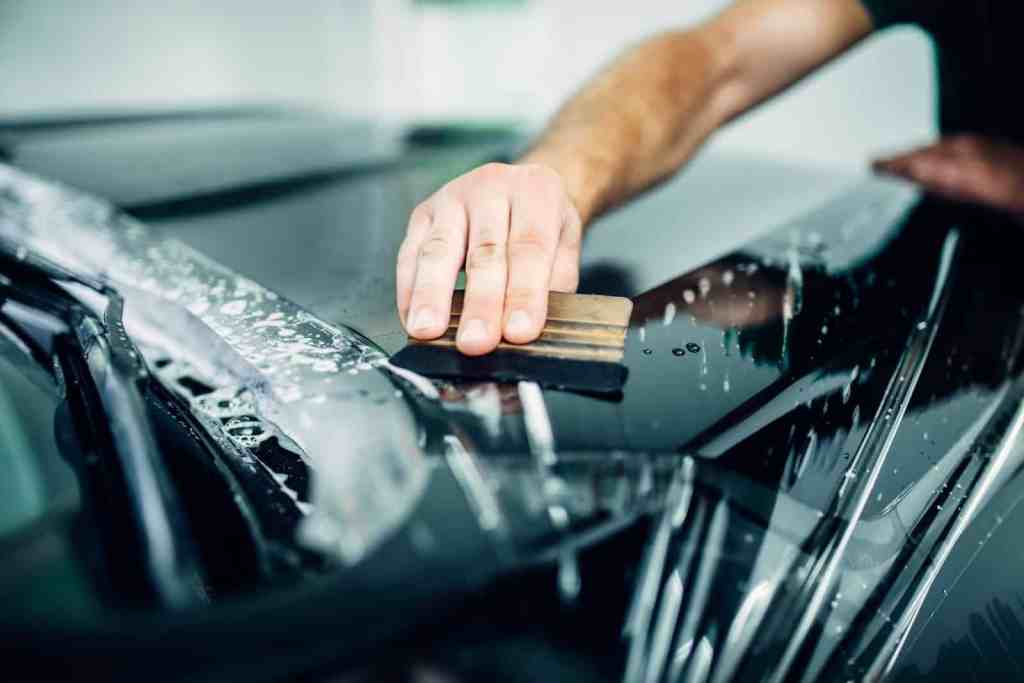
Sunlight, acid rain, road salt, and microscopic debris all take their toll on your vehicle’s finish. Over time, these elements break down the clear coat, dulling the color and exposing the paint beneath. That’s where professional detailing and protective coatings come in—they reinforce the paint’s defenses and restore its depth and gloss.
Three Smart Ways to Protect Your Paint
A thin, nearly invisible polyurethane film can be applied to high-impact areas like the hood, bumper, and mirrors. This film acts as a shield against rock chips and scratches and even self-heals minor marks with heat. It’s one of the most effective long-term protection methods available.
Ceramic coating forms a durable, water-repelling layer on top of your clear coat. Made from liquid polymers like silicon dioxide, it chemically bonds to the paint to add gloss and make cleaning easier. It won’t stop every scratch, but it does help resist oxidation, UV damage, and staining from road grime or bird droppings.
Regular washing, decontamination, and polishing prevent buildup that can damage the clear coat. A professional detailing service keeps your paint smooth, reflective, and ready for protective treatments. Even a simple hand wash done correctly goes a long way in preserving your car’s shine.
Bringing It All Together
Your vehicle’s paint isn’t just for looks—it’s a sophisticated chemical system designed to protect your investment from corrosion, weather, and wear. Understanding how it works helps you choose the right care routine, whether that’s a ceramic coating, paint protection film, or ongoing professional detailing.
At Auto Glow Detailing, we specialize in preserving and enhancing your car’s finish with advanced protection solutions and meticulous exterior care. Whether you drive a daily commuter or a collector’s dream, we’ll help you keep it looking its best for years to come.
Contact Auto Glow Detailing today to schedule your paint protection or detailing service.