
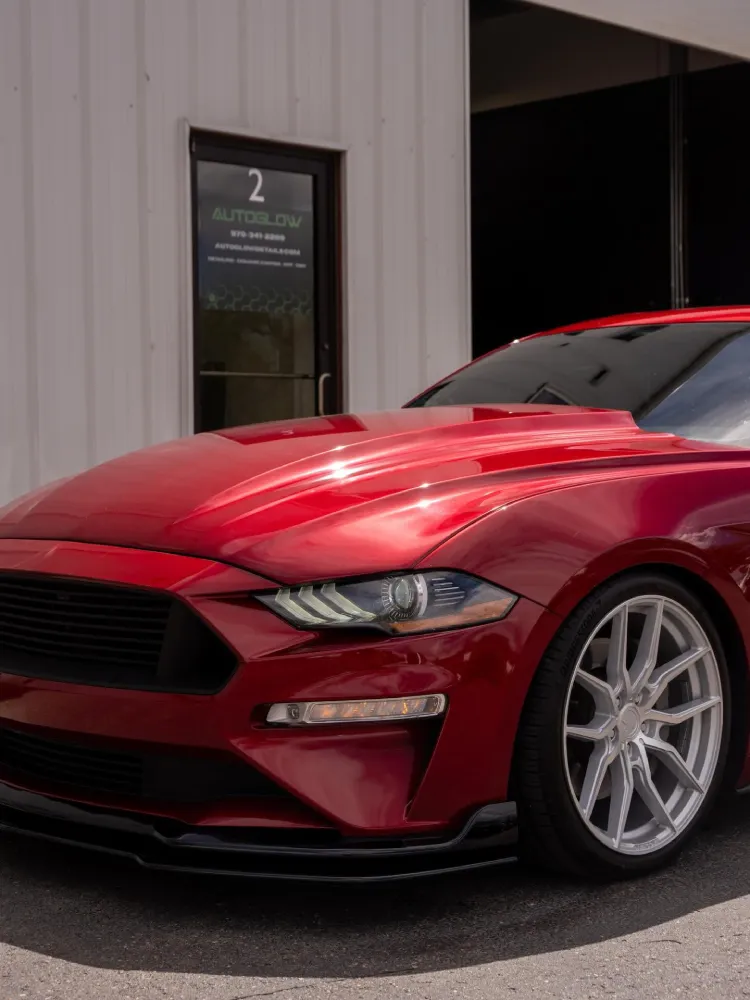

Paint protection film is often a smart investment for daily drivers because it helps protect against rock chips, road debris, bug splatter, and minor scratches while preserving your vehicle’s appearance and resale value. For drivers who plan to keep their vehicles long term, professionally installed PPF can reduce future paint repair costs and maintain a like-new finish for years.
What Factors Affect the Cost of Paint Protection Film?
The cost of PPF varies based on the vehicle, coverage area, film quality, and installation requirements. A partial front package typically costs less than full-vehicle coverage because fewer panels require material and labor.
Key factors that influence pricing include:
- Vehicle size and panel design
- Amount of coverage selected
- Film quality and features
- Paint condition before installation
- Installation complexity
- Surface preparation requirements
- Installer experience
Comparing packages based only on price can be misleading. A lower-cost option may provide less coverage or use different materials. Reviewing what each package includes makes it easier to determine which option provides the best value for your driving habits and budget.
Why Daily Drivers Need More Paint Protection
A daily-driven vehicle faces challenges that garage-kept or weekend cars often avoid. Even short trips expose paint to environmental contaminants and physical hazards.
Common causes of paint damage include:
- Rock chips from highway driving
- Loose gravel and road debris
- Bug splatter and bird droppings
- Tree sap and pollen
- UV exposure
- Improper washing techniques
- Minor scratches from everyday use
These issues may seem small at first, but they add up over time and can affect both appearance and resale value.
Drivers researching paint protection film in Loveland often want a long-term solution that helps reduce everyday paint damage without altering the original look of their vehicle.
What Is Paint Protection Film?
Paint protection film is a transparent urethane material applied to painted vehicle surfaces to help defend against physical damage and environmental contaminants. Modern films are engineered to remain nearly invisible while offering advanced protective properties.
Paint Protection Film Features
| Feature | Description |
| Material | Thermoplastic polyurethane (TPU) |
| Appearance | Clear and nearly invisible |
| Protection | Helps resist rock chips, scratches, and debris |
| UV Resistance | Helps reduce fading and oxidation |
| Self-Healing Technology | Minor scratches disappear with heat |
| Durability | Designed for years of protection |
Understanding Common PPF Terms
Self-Healing Technology
: Allows light surface scratches to fade when exposed to warmth or sunlight.
Hydrophobic Properties
: Helps water bead and roll off more easily, reducing dirt buildup.
Top Coat
: The outer layer that helps resist staining and discoloration.
Edge Wrapping
: A technique where film edges are wrapped around panels for a cleaner finish.
High-Impact Areas
: Vehicle sections most likely to encounter rock chips and debris, such as bumpers, hoods, mirrors, and fenders.
Benefits of Paint Protection Film for Daily Drivers
PPF offers several practical benefits that make it appealing for people who rely on their vehicles every day.
Protection Against Rock Chips
Road debris is one of the leading causes of paint damage. The film absorbs much of the impact before it reaches the paint surface.
Reduced Minor Scratches
Light scratches from washing, brushing against objects, or everyday use are less noticeable thanks to self-healing properties found in many premium films.
Preservation of Factory Paint
Original factory paint contributes to a vehicle’s value. Protecting that finish can help maintain appearance over time.
Easier Maintenance
Many films repel water and contaminants, making routine washing more efficient.
Better Long-Term Value
A vehicle with fewer paint imperfections often creates a stronger impression during resale or trade-in.
What Paint Protection Film Does Not Protect Against
PPF provides strong protection against many common road hazards, but it is not designed to prevent every type of vehicle damage. Understanding its limitations helps daily drivers maintain realistic expectations.
PPF generally does not prevent:
- Major collision damage
- Deep dents
- Severe impacts
- Mechanical damage
- Damage to uncovered vehicle areas
- All forms of paint fading or deterioration
The film acts as a protective barrier over the surfaces where it is installed. Choosing appropriate coverage and maintaining the vehicle properly can help maximize its protective benefits.
Paint Protection Film vs Ceramic Coating
Both products offer benefits, but they serve different purposes.
| Feature | Paint Protection Film | Ceramic Coating |
| Rock Chip Protection | Excellent | Minimal |
| Scratch Resistance | High | Moderate |
| UV Protection | Excellent | Excellent |
| Chemical Resistance | Excellent | Excellent |
| Hydrophobic Properties | Yes | Yes |
| Physical Impact Protection | Yes | No |
| Best For | Impact protection | Easier maintenance and gloss |
Many vehicle owners choose both products for more complete protection.
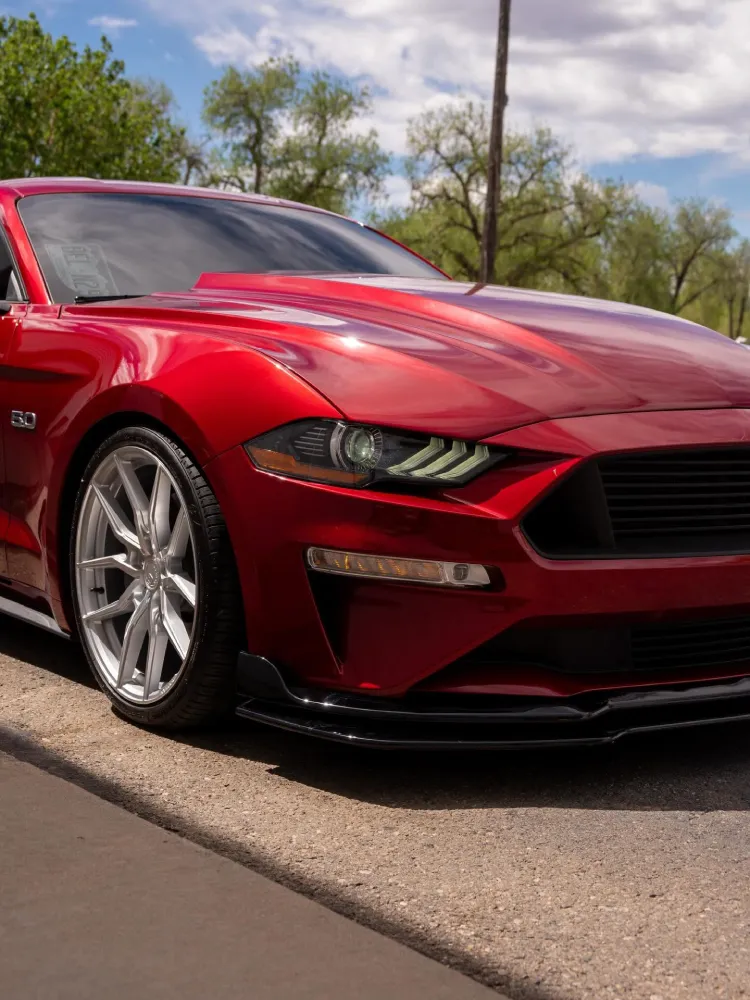
Is Paint Protection Film Worth the Cost?
The value of PPF depends on how you use your vehicle and how long you intend to own it.
Paint protection film may be worthwhile if you:
- Drive frequently on highways
- Own a newer vehicle
- Plan to keep your car for many years
- Want to reduce future paint repairs
- Prefer maintaining a clean, polished appearance
Repairing chipped paint or repainting damaged panels can become expensive over time. Preventing damage often costs less than correcting it later.
Which Areas of a Vehicle Should Be Protected?
Not every vehicle requires full-body coverage. Many drivers focus on the sections most vulnerable to impact.
Popular Protection Areas
- Front bumper
- Full hood
- Partial hood
- Front fenders
- Side mirrors
- Headlights
- Rocker panels
- Door edges
- Door cups
The right package depends on driving habits, budget, and ownership goals.
Everyday Conditions That Increase Paint Damage
Vehicles encounter different road conditions throughout the year, and those conditions can increase the likelihood of paint damage.
Drivers in Fort Collins, Loveland, and Windsor often experience changing weather, highway travel, and seasonal road debris that can gradually affect a vehicle’s finish.
Environmental factors that contribute to paint wear include:
- Gravel roads
- Construction zones
- Winter road treatments
- Intense sunlight
- Frequent outdoor parking
- Heavy traffic conditions
Protecting vulnerable areas early can help preserve your vehicle’s appearance over time.
Common Mistakes to Avoid
Paint protection film services in Loveland, CO perform best when installed and maintained properly.
Choosing Based Only on Price
High-quality materials and experienced installation typically produce better results and longer-lasting protection.
Waiting Until Paint Is Damaged
PPF works best when applied to paint that is already in good condition.
Using Harsh Cleaning Products
Abrasive chemicals and rough washing methods can reduce the life of protective products.
Ignoring Maintenance Recommendations
Following proper care guidelines helps maximize durability and appearance.
Debunking a Common Myth About Paint Protection Film
Myth: Paint Protection Film Changes the Appearance of a Vehicle
This myth is based on older generations of film technology.
Modern products are designed to remain nearly invisible while preserving the original appearance of factory paint. Many premium films even enhance gloss without creating an artificial look.
Professional installation also plays a major role in achieving clean edges and seamless coverage.
How to Choose the Right Installer
Not all installations deliver the same level of quality.
When considering Loveland, CO paint protection film, it is important to select an installer who uses premium materials, follows precise installation methods, and has experience working with a wide range of vehicles.
Look for:
- Industry experience
- Quality film products
- Clean installation facilities
- Warranty coverage
- Positive customer feedback
- Detailed workmanship
Proper installation directly affects performance, durability, and appearance.
Why Choose AutoGlow Detailing
AutoGlow Detailing is committed to preserving your investment through professional automotive protection solutions tailored to each vehicle’s needs.
Trusted by automotive enthusiasts and luxury car owners, the team focuses on precision workmanship, premium materials, and exceptional attention to detail. Whether you drive a family SUV, sports car, luxury sedan, or daily commuter, every installation is performed with long-term performance in mind.
Protecting your vehicle is more than maintaining appearances. It is about preserving value, reducing future repairs, and enjoying greater confidence every time you drive.
Protect Your Vehicle Before Damage Happens
Every mile driven exposes your vehicle to road debris, contaminants, and environmental hazards. Paint protection film provides a proactive way to preserve your vehicle’s finish, reduce cosmetic damage, and maintain long-term value.
If you are interested in learning more about paint protection film services in Loveland, CO, AutoGlow Detailing is committed to preserving your investment with premium products, expert installation, and trusted service for automotive enthusiasts and luxury car owners.
Contact us today to schedule a consultation and discover the right protection package for your vehicle.
People Also Ask
Is paint protection film worth it for older vehicles?
Yes. If the paint is in good condition, PPF can help prevent future damage and preserve the vehicle’s appearance.
How long does paint protection film last?
Most premium films provide several years of protection when professionally installed and properly maintained.
Can paint protection film prevent rock chips?
PPF significantly reduces the risk of rock chips by absorbing impacts before they reach the paint surface.
Does paint protection film require special maintenance?
Routine washing with approved automotive cleaning products is generally sufficient.
Can paint protection film be removed safely?
Yes. Professional removal typically does not damage properly cured factory paint.